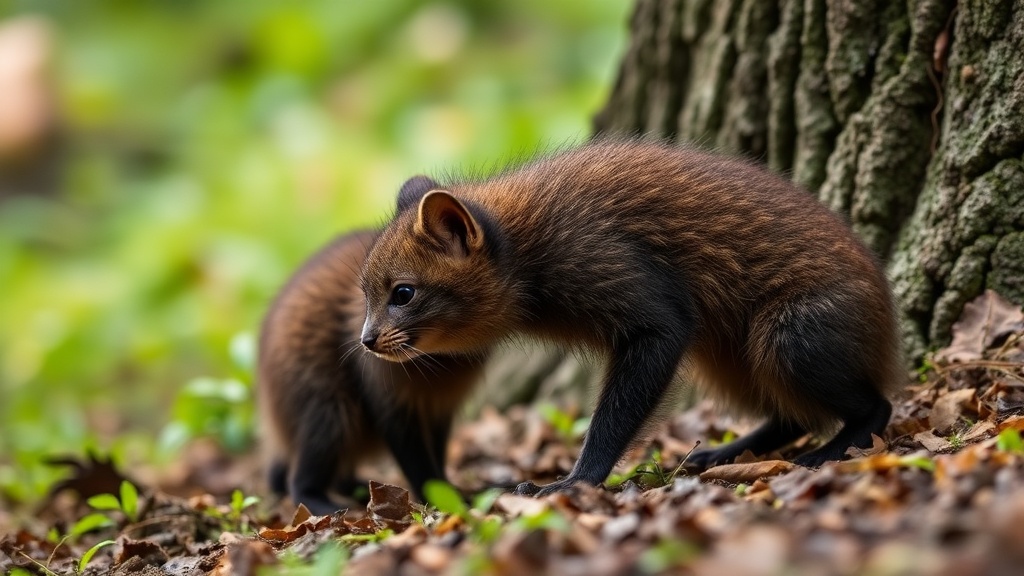
How to Manage Tofino Backyard Attractants to Keep Our Local Wildlife Wild

You'll learn how to effectively manage wildlife attractants on your property to prevent bears, wolves, and cougars from becoming habituated to our residential areas. We live in a spectacular part of the world, but our proximity to the Clayoquot Sound means we have a shared responsibility to keep the local fauna at a distance. If you've lived in Tofino for any length of time, you've likely seen a black bear wandering down a side street or heard stories about wolves near the Multi-Use Path (MUP). While these sightings are part of life here, they shouldn't happen because of a messy carport or an overflowing garbage can. We don't just live next to the forest in Tofino; we live inside it, and that requires a specific set of habits to ensure our safety and the survival of the animals.
Where should you store garbage to avoid Tofino bear encounters?
The first thing to understand is that a bear's nose is significantly more sensitive than ours. If you leave your household waste in a standard plastic bin outside your kitchen door, you're basically ringing a dinner bell. Most of us in the Tofino community use the heavy-duty, bear-resistant bins provided by our local waste management service. However, even these aren't foolproof if they aren't maintained. You should keep your bins inside a garage or a sturdy, locked shed whenever possible. If you don't have a garage—which is common in some of the older cabins near Fourth Street—consider building a wooden enclosure with a heavy latch. It isn't just about the bin itself; it's about the smell. Wash your bins regularly with a bleach solution or a strong vinegar mix to remove lingering food odours. We've seen bears rip apart wooden decks just to get to a bin that smelled like last night's salmon dinner.
If you have particularly smelly scraps, like fish guts or meat trimmings, keep them in your freezer until the morning of pick-up. Taking your trash to the curb the night before is a massive mistake in Tofino. Only put it out after 5:00 AM on your scheduled day to minimize the window for a curious visitor to find it. This simple timing shift is often the difference between a clean driveway and a scattered mess of plastic and old food. We've also found that using locking mechanisms on your bins, even when they're inside an enclosure, adds an extra layer of protection that discourages animals from even trying to break in.
Which plants attract unwanted animals to your Tofino garden?
Gardening in Tofino is a challenge because of the rain and the salt air, but it's also a challenge because of what we grow. Fruit trees are a primary attractant in the late summer and fall. If you have apple, cherry, or plum trees on your property near Jensen's Bay or over in the Tofino Inlet area, you need to be diligent. Pick the fruit as soon as it ripens. Even better, pick it just before it's fully ripe if you know a bear is active in your neighbourhood. Don't let windfall fruit rot on the ground. It ferments, smells even stronger, and creates a recurring habit for wildlife to return to your yard. In the Tofino Inlet area, some residents have started communal fruit picking days to ensure no tree is left with rotting attractants. This is a great way to meet your neighbours while also performing a vital community service.
Bird feeders are another secret culprit. While it's lovely to see the local birds, the seeds and suet are high-calorie rewards for bears. In our community, it's widely recommended to only put out bird feeders during the winter months when bears are less active. If you must have them in the summer, make sure they are hung at least three meters off the ground and two meters away from any tree trunk or deck railing. Even then, a determined bear in Tofino will find a way to get to them if they're hungry enough. Consider planting native flowers like Salmonberry or Nootka Rose instead; they provide natural food sources that don't habituate animals to human structures. These native species are perfectly adapted to our climate and don't require the same maintenance as imported fruit-bearing plants.
How do you report a wildlife sighting in our Tofino neighbourhoods?
When you spot a bear or a wolf that seems a bit too comfortable near your home, it's your duty to report it. This isn't about getting the animal in trouble; it's about data and public safety. We use the Report All Poachers and Polluters (RAPP) line provided by the BC Conservation Officer Service. You can reach them at 1-877-952-7277. Letting the authorities know about a habituated animal allows them to monitor the situation and perhaps use non-lethal deterrents before a conflict occurs. The Conservation Officer Service (COS) is stretched thin on the Island, but they prioritize reports from our area because of the high density of human-wildlife overlap. When you call the RAPP line, be prepared to give a specific location, like "near the intersection of Campbell and First" or "behind the brewery." This helps them map out where habituation is occurring.
You should also check in with our local WildSafeBC coordinator. They often post updates on social media or community boards about which neighbourhoods are seeing high activity. If there’s a cougar sighting near the Tofino Co-op or a wolf spotted near the Wickaninnish School, the community usually spreads the word quickly. Being informed helps you decide whether it's safe to let the kids play in the yard or if you should take extra precautions when walking the dog along the MUP. You can also find more information on the District of Tofino website regarding municipal bylaws for attractant management. It's important to stay connected with these resources so we can act as a cohesive unit in keeping our streets safe.
Keeping your outdoor equipment clean
Don't forget about your BBQ. We love grilling out here, especially during those rare dry spells, but a greasy grill is a magnet. After every use, burn off the excess grease and scrub the grates. Empty the grease trap—that's the part people usually forget. If your BBQ is portable, store it inside a shed. If it's a permanent fixture on your deck near Chesterman Beach, invest in a heavy-duty cover and keep the area around it spotless. The same goes for smokers. The smell of smoked fish can travel for kilometers on the Tofino breeze, and a bear will follow that scent directly to your back door. A clean grill isn't just about hygiene; it's about survival for our local bears. When a bear gets a taste of grease or charred meat scraps from a BBQ, it associates human dwellings with high-fat food. Once that connection is made, the bear often stops foraging for berries and becomes a "problem" animal.
Managing your compost effectively
Composting is great for our Tofino soil, but it can be a nightmare for wildlife management. Never put meat, dairy, or oils in an outdoor compost pile. Use a closed-system tumbler if you can, as it's much harder for an animal to break into than an open heap. If you find your compost is getting smelly, add more 'browns' like dried leaves or shredded paper to balance it out. A healthy compost pile shouldn't have a strong rotting smell. If you're struggling to keep the bears out of your bin, you might want to consider indoor bokashi composting or taking your organic waste to the local depot instead. We've seen several successful community composting initiatives that use reinforced containers to keep the wildlife out while still allowing us to reduce our landfill impact.
Protecting your pets and livestock
For those of us with chickens or small pets, the stakes are even higher. Chicken coops in Tofino basically require electric fencing to be truly safe from bears and cougars. It sounds extreme, but it's the only way to ensure your hens aren't an easy snack. Keep your dogs on a leash, especially during the early morning and late evening hours when predators are most active. We've had several instances where off-leash dogs have cornered a bear or been chased by wolves near the edge of town. Keeping your pets close protects them and prevents unnecessary aggression from the wildlife. Walking through our neighbourhoods like Tonquin or Sharp Road, you'll see a lot of people who have handled this balance well. It takes effort to live here responsibly. We are guests in this environment as much as we are residents. By securing our attractants, we ensure that the bears don't have to be destroyed and the wolves stay in the forest where they belong. It's a small price to pay for the privilege of calling Tofino home.