Managing Your Tofino Property During Heavy Rainfall and Storm Cycles

Understanding Tofino's Storm Dynamics
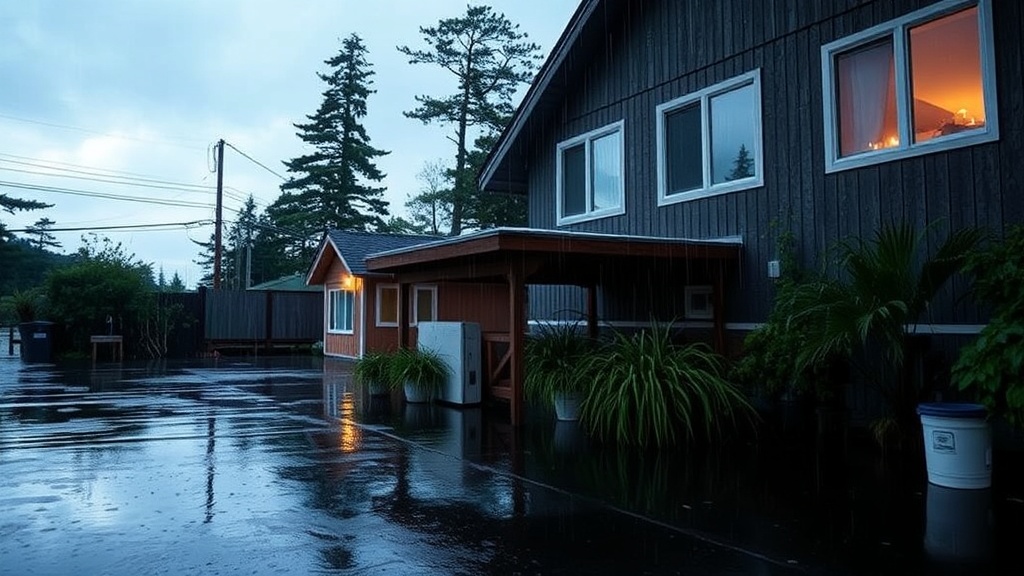
The average annual rainfall in Tofino can exceed 3,000 millimeters, a figure that often catches newcomers off guard. For those of us living here, the reality isn't just about getting wet; it's about how our homes and properties handle the constant moisture and heavy wind events that roll in off the Pacific. Managing a property in Tofino requires a specific mindset—one that prioritizes drainage, structural integrity, and long-term maintenance to prevent the typical issues we see during our wet season.
When a storm system hits the coast, the sheer volume of water can overwhelm standard residential systems. We've seen many neighbors struggle with basement flooding or foundation issues because the water had nowhere to go. Living in Tofino means you're essentially living at the edge of a massive water system, and your property management needs to reflect that reality. Whether you live near the industrial areas or closer to the residential pockets near Chesterman Beach, the way you handle runoff matters for your home and your neighbors.
How do I prevent water damage in my Tofino home?
The first line of defense is always your gutter system. In our corner of the world, leaves and debris from the massive hemlock and cedar trees can clog gutters in a single afternoon. If your gutters are blocked, water overflows directly against your siding or into your foundation. We recommend checking your downspouts at least twice a year. Make sure the water is being directed at least six feet away from your house. If you live on a sloped lot in Tofino, this is even more vital to prevent erosion from washing out your landscaping.
Another big factor is the grading around your property. If your yard slopes toward your foundation, you're essentially inviting the Tofino rain to pool against your house. Digging shallow trenches or creating small berms can redirect that flow. You might also consider installing a sump pump if your home has a basement or a low-lying crawlspace. Many of our local building codes and historical homes in Tofino weren't originally designed for the intense precipitation levels we see during a heavy Pacific storm cycle.
Where can I find local drainage solutions?
If you're looking to upgrade your property's resilience, you'll want to look into professional-grade drainage solutions. Local hardware stores and specialized contractors in the area know exactly what works for our soil types. For more technical guidance on local environmental standards and how they affect residential building, you can check the District of Tofino official website to ensure your modifications comply with local bylaws. It's also worth looking at the BC government's resources on wetland-adjacent properties if you live near any sensitive coastal areas.
One common mistake we see is installing too much concrete in a yard. While it might look clean, too much hardscaping prevents the ground from absorbing water, which increases the load on our municipal storm drains. Instead, use permeable pavers or gravel paths. This allows the Tofino rain to soak into the ground naturally, reducing the risk of flash flooding in your immediate area.
What are the best ways to maintain my exterior during storm season?
Regularly inspecting your exterior surfaces is a must. Check the caulking around windows and doors every spring. The constant cycle of heavy rain followed by wind-driven salt spray can degrade sealants faster than in most other places. If you see any cracks, fix them immediately—don't wait for the next big storm to hit.
- Inspect your roof: Look for missing shingles or moss buildup. Moss holds moisture and can cause rot in your roof deck.
- Check your siding: Ensure there are no gaps where moisture could seep behind the panels.
- Monitor your trees: If you have large branches hanging over your roof, have them trimmed back during the calmer months.
- Clean your drains: Ensure all surface drains and catch basins are clear of debris.
We often talk about the importance of being prepared in our community. This isn't just about food and water; it's about the literal ground you stand on. A well-maintained property in Tofino is a piece of a much larger system. When everyone manages their runoff effectively, our entire community is more resilient to the seasonal weather shifts.
Are there specific rules for Tofino property owners?
Yes, there are certain rules regarding how you manage water and runoff to protect our local environment and public infrastructure. For example, the District of Tofino has specific guidelines to ensure that residential runoff doesn't negatively impact our local water systems or the surrounding ecosystems. It's always a good idea to verify any major landscaping or drainage changes with the local municipal office to stay on the right side of the law.
For those of us living in the more remote or wooded parts of Tofino, the stakes are even higher. A simple clogged drain can lead to a significant landslide or soil erosion issue if not addressed. We suggest having a professional assessment of your property's drainage every few years, especially if you've recently added new structures or significant garden beds. Keeping an eye on the weather and being proactive is the only way to live comfortably on this coast.