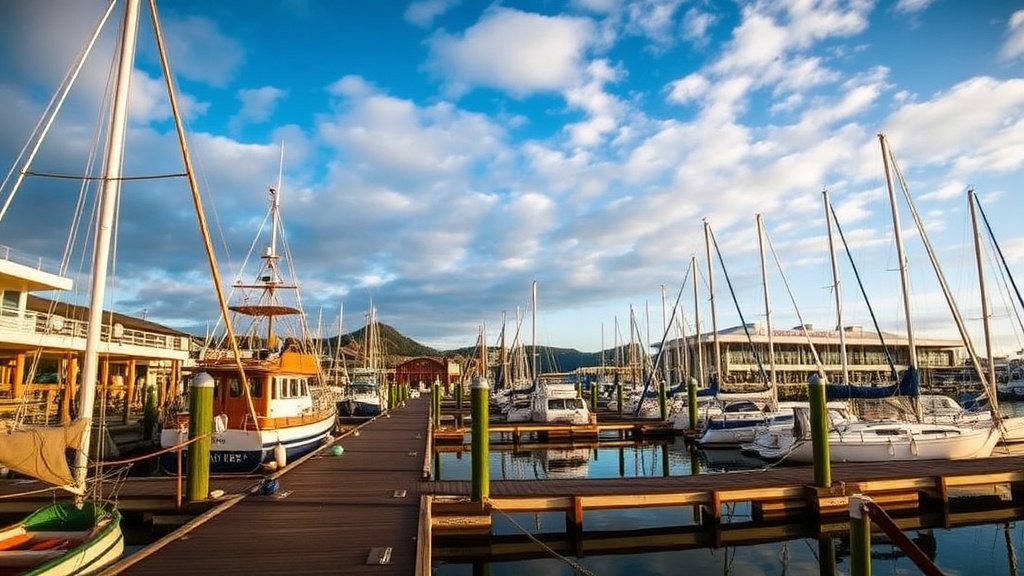
Tofino's Working Waterfront: A Local's Guide to the Marina and Docks

What Does Tofino's Working Waterfront Actually Do for Our Community?
Tofino's waterfront isn't just postcard scenery — it's the economic backbone that keeps our town functioning. This guide covers the marina infrastructure, dock access for locals, fishing industry operations, marine services, and the practical rhythms of harbour life that directly impact residents. Whether you're mooring a skiff, buying fresh catch off the boat, or simply trying to understand how our isolated community stays supplied, here's what you need to know about the working side of Tofino's shoreline.
Where Can Locals Actually Access the Docks in Tofino?
Locals have three main points of entry to Tofino's working waterfront. The First Street Dock — often called the government dock — sits at the heart of downtown and handles most foot traffic. You'll find public access here for buying seafood directly from fishing vessels, though the gates lock at sunset (don't get caught on the wrong side). The Fourth Street Dock, farther south near the Coast Guard station, offers more space for loading gear and is where many Tofino residents keep smaller skiffs on crab floats during the season.
The Tofino Harbour Authority manages the main marina infrastructure. Their office sits at the end of the boardwalk and handles moorage permits, waitlists for permanent slips, and the practical bureaucracy of keeping boats in the water. Worth noting: permanent moorage in Tofino runs about as scarce as long-term housing. The waitlist stretches years for covered berths, though open moorage opens up more frequently.
The catch? Day-use access works differently depending on the season. From October through April, you'll find parking and dock space relatively open. Come May, the commercial fleet gears up for salmon and spot prawn openings — and the waterfront transforms into something closer to controlled chaos. Locals know to check the Fisheries and Oceans Canada schedule before heading down, because a busy opening day means dodging forklifts, totes of ice, and fishermen running on coffee and adrenaline.
Dock Access Quick Reference
| Location | Best For | Parking Situation | Seasonal Notes |
|---|---|---|---|
| First Street Dock | Buying seafood, walking access | Limited — 2-hour max on Campbell Street | Locked gates 8 PM — 6 AM |
| Fourth Street Dock | Loading gear, small craft launch | More available near Coast Guard | Busy during crab season |
| Harbour Authority Marina | Long-term moorage, fuel | Permit required for lot access | Waitlist only for covered slips |
How Does the Fishing Industry Actually Operate in Tofino?
Commercial fishing drives Tofino's working waterfront year-round — though the rhythms shift dramatically with the seasons. The fleet here targets salmon (Chinook, coho, sockeye), halibut, Dungeness crab, and spot prawns. Each fishery operates under its own regulatory framework, its own opening schedules, and its own dockside infrastructure needs.
The spot prawn season — typically May through June — brings the most visible waterfront activity. Tofino's prawn fleet (roughly 30-40 active vessels) delivers to dockside buyers right at the Harbour Authority floats. You'll see the Fisherman's Wharf building bustling at dawn, boats offloading bright orange prawns into seawater tanks, and buyers from Vancouver and Victoria running refrigerated trucks onto the dock. For locals, this means the freshest seafood available anywhere — often at prices that undercut retail by half. Here's the thing: you need to know who to ask. Many fishermen sell directly off the boat, but they don't advertise. Ask at Tofino Fish or watch for handwritten signs on the First Street Dock bulletin board.
Salmon season stretches from late June into September, with the biggest push during the sockeye runs. Tofino's trollers — the classic wooden and aluminum boats with outriggers — head out before dawn and return mid-afternoon. The fish gets processed locally at Ocean Pacific Seafood on Industrial Way, or shipped whole to Vancouver. That said, dockside sales for salmon happen less frequently than prawns — most gets contracted before it hits the water.
Dungeness crab operates on a quota system that opens in winter (January through March in our area). This is when you'll see the steel crab pots stacked five-high on the Fourth Street Dock, and the hydraulic pot-haulers working from dawn until the light fades. It's cold, wet, physical work — and the waterfront feels genuinely industrial during these months, all diesel exhaust and hydraulic fluid.
The Local Buying Guide
If you want to buy directly from Tofino's fishing fleet (and you should — the quality difference is immediate), here's how it works:
- Spot prawns: Available dockside May–June, roughly $18–$24 per pound live. Bring cash and a cooler.
- Salmon: Occasional dock sales, more common in late summer. Expect to pay $12–$16 per pound for whole fish.
- Halibut: Rarely sold dockside — almost all goes to wholesale buyers. Your best bet is connecting with a fisherman directly.
- Crab: Some sales during the winter season, though regulations make this trickier than prawns.
What Marine Services Keep Tofino's Fleet Running?
A working waterfront needs more than boats — it needs infrastructure. Tofino's marine services cluster primarily along the industrial waterfront south of downtown (the area locals just call "the back road"). Here's what's actually available to keep vessels operational in this remote corner of Vancouver Island.
Tofino Boatworks handles most mechanical repairs — diesel engines, hydraulics, electronics. They're busy (always busy), and getting work done requires booking weeks ahead during the shoulder seasons. For haul-outs, Tofino Shipyard operates the only travel lift in town, with a 50-ton capacity that handles most of the commercial fleet. Here's the thing about haul-outs in Tofino: the yard stays packed from September through November as everyone preps for winter. If you need bottom paint or repairs, book before Labour Day or wait until spring.
Fuel comes from two sources. The Harbour Authority operates a diesel dock at the marina — commercial-grade, no ethanol, pumped by attendants who know most customers by name. Gasoline requires a run to Tofino Gas & Go on Campbell Street, then hauling jerry cans down to the dock (a genuine annoyance, but the only option for outboard skiffs). Propane, interestingly, gets delivered right to the marina by Pacific Energy — one of those small-town conveniences that makes Tofino livable despite the isolation.
Ice matters more than you'd think. The fishing fleet runs through literal tons of it — ice keeps the catch fresh, the drinks cold, and the prawns alive in tank water. Tofino Ice & Cold Storage on Bay Street produces block and crushed ice daily during the season. Locals with chest freezers often make the trip during heat waves — there's something deeply Tofino about filling a cooler with fishing-grade ice for a beach day at Mackenzie.
Winter Waterfront Life
Come November, Tofino's waterfront transforms. The tourists vanish, the fishing fleet shrinks to the hardcore year-round operators, and the docks become — quiet. This is when locals reclaim the space. You'll see crabbers mending gear in the sheds, boat owners applying anti-fouling paint between rain squalls, and the occasional seal hauling out on the floats (bold, well-fed, unbothered).
The Harbour Authority reduces staffing through winter, which means gates stay unlocked longer but response times for emergencies stretch thinner. Storm season — December through February — brings genuine danger. Waves have been known to breach the breakwater during extreme conditions, and the dockside camera (available online) becomes strangely compelling viewing for housebound locals. That said, there's a specific beauty to the waterfront in winter. The mountains behind town collect snow. The air smells like diesel and salt and cedar smoke. The few boats that remain creak against their lines in a way that sounds almost like breathing.
If you live in Tofino year-round, the working waterfront becomes something more than infrastructure. It's a weather gauge — check the flags to know if the surf's blown out. It's a social hub — running into half the town while buying prawns off the dock. It's a reminder that our community persists through the direct extraction of food from the ocean, through genuine physical labor, through the competence of people who know how to read water and weather in ways that can't be taught from books.
The marina office closes at 4:30 PM on weekdays, 2 PM on Saturdays, and not at all on Sundays. If you need something on a Sunday, you're walking the docks until you find a fisherman willing to help. That's Tofino's working waterfront — not always convenient, rarely polished, but undeniably ours.